If you’re running a business in Charlotte, you’ve probably hit the same wall a lot of local owners hit, you’re generating leads, but you don’t have the bandwidth to follow up with all of them fast enough. Someone fills out a form on a Saturday night, and by the time your team reaches out Monday afternoon, they’ve already booked with a competitor. This is exactly the gap marketing automation Charlotte NC businesses are turning to close.
That’s the exact problem marketing automation Charlotte NC businesses are adopting solves. It’s software (paired with a strategy) that follows up, nurtures, and moves leads through your sales process automatically, so no one falls through the cracks just because your team was busy or off the clock.
This guide covers what marketing automation actually does, what it typically costs, how Charlotte businesses use it differently than a national brand would, and how to evaluate whether you need an agency, a freelancer, or an in-house setup to run it.

Key Takeaways
- Marketing automation replaces manual, inconsistent follow-up with automated emails, texts, and workflows triggered by customer behavior.
- Charlotte’s growing, competitive local market (especially in home services, healthcare, real estate, and retail) makes fast lead response a bigger advantage than in slower-growing metros.
- Data-driven marketing means decisions are based on what your customers actually do, not guesswork, and automation is how that data gets acted on in real time.
- B2C automation in Charlotte typically centers on speed-to-lead, review generation, appointment reminders, and repeat-purchase nurturing.
- Most small-to-midsize Charlotte businesses spend somewhere between $500 and $3,000+ per month on managed automation, depending on complexity and whether an agency is running it.
- Tools matter less than strategy; a poorly configured automation platform performs worse than a simple, well-built email sequence.
- The biggest mistake local businesses make isn’t picking the wrong software. It’s automating a broken sales process and expecting the automation to fix it.

What Is Marketing Automation, Exactly?
Marketing automation Charlotte NC businesses use is software that triggers marketing and sales actions based on what a customer does, or doesn’t do. Instead of a person manually sending a follow-up email, the system sends it automatically when a lead fills out a form, misses a call, or abandons a cart.
At its core, it replaces three things that most Charlotte businesses currently do manually or inconsistently:
- Lead follow-up: texting or emailing a new inquiry within minutes instead of hours or days.
- Nurturing: staying in front of leads who aren’t ready to buy yet, through scheduled emails or texts.
- Customer retention: re-engaging past customers for repeat business, reviews, or referrals.
Read More About: AI Automation Services in Charlotte A Business Owner’s Guide
A simple example a Charlotte HVAC company gets a form submission at 9 p.m. Instead of waiting until the office opens, an automated text goes out immediately confirming receipt and offering to book a time slot. That single automated message often determines whether the lead stays warm or calls the next company on the list.

Why Charlotte Businesses Specifically Need This
Charlotte isn’t a small, sleepy market anymore. It’s one of the fastest-growing metro areas in the Southeast, which means more competition in nearly every local service category; contractors, med spas, dental practices, real estate teams, and retail brands are all fighting for the same pool of attention. This is exactly the kind of environment where marketing automation in Charlotte, NC stops being a nice-to-have and starts being a competitive necessity.
In a market like that, speed and consistency become real competitive advantages. A business that responds to leads in two minutes instead of two hours isn’t just being polite; it’s converting leads the slower competitor loses. Marketing automation Charlotte NC businesses rely on is how five-person teams compete with that kind of response time without hiring five more people.

Data-Driven Marketing for Charlotte Businesses
Data-driven marketing for Charlotte businesses simply means using actual customer behavior, not assumptions, to decide what happens next. It’s the difference between guessing that “people probably want a discount email” and knowing that a specific segment of your list opens emails on weekday mornings and responds better to a text than an email. This is also where marketing automation Charlotte NC businesses invest in pays off — it’s the system that turns that behavioral data into action automatically, instead of requiring someone to manually track and react to it.
In practice, this looks like:
- Tracking which pages a lead visits before filling out a form, so sales knows what they’re already interested in.
- Segmenting past customers by purchase type, so a landscaping company doesn’t send the same offer to a one-time cleanup client and a recurring maintenance client.
- Using response data (opens, clicks, replies) to automatically move a lead into a different follow-up sequence.
Automation platforms are what make this practical at a small business scale. Without automation, this kind of segmentation and behavior tracking requires a full-time analyst. With marketing automation Charlotte NC companies can access at a reasonable cost, the software does the tracking and the triggering, and a person just reviews performance and adjusts the strategy.

What a Charlotte B2C Digital Marketer Actually Focuses On
A Charlotte B2C digital marketer works differently than someone running B2B campaigns for enterprise software. B2C decisions in Charlotte tend to be faster, more emotional, and more local, someone choosing a med spa, a moving company, or a restaurant isn’t going through a six-month evaluation process. They’re deciding in days, sometimes hours.
That changes what automation should prioritize for a local B2C business:
- Speed-to-lead matters more than long nurture sequences, since B2C buying windows are short.
- Review generation is a bigger factor, since local B2C purchases lean heavily on social proof and Google reviews.
- Appointment and booking reminders reduce no-shows, which is a bigger revenue leak for local service businesses than most owners realize.
- Repeat-purchase and referral nurturing matters more than one-time lead capture, since local B2C revenue is often built on repeat customers.
This is a meaningfully different setup than what a B2B automation strategy would look like, which is why “generic” automation templates often underperform for local Charlotte businesses they weren’t built around how a Charlotte consumer actually shops.

Common Tools Used for Marketing Automation
Several platforms show up regularly in Charlotte’s small-to-midsize business market, each with different strengths:
- GoHighLevel (GHL): an all-in-one platform combining CRM, automation, texting, email, and appointment booking, popular with agencies and local service businesses that want one system instead of five.
- HubSpot: strong for businesses that want detailed reporting and are comfortable with a steeper learning curve and higher price point.
- Klaviyo: built specifically for e-commerce and retail brands running email and SMS around purchase behavior.
- Mailchimp: a lighter option for businesses that mainly need email automation without a full CRM layer.
For most local B2C businesses in Charlotte, service-based companies especially, an all-in-one platform tends to make more sense than stitching together three or four separate tools, mainly because it keeps lead data, texting, and booking in one place instead of scattered across systems that don’t talk to each other.

Powered by GoHighLevel
GoHighLevel is the all-in-one platform turning disconnected marketing stacks into clean, automated, revenue-generating systems, and as proud GHL partners, Collabor8 Digital builds and manages it for businesses that are serious about scaling. One platform. Complete visibility. Zero leads lost.
How to Choose the Right Automation Setup: Agency, Freelancer, or DIY
There’s no single right answer here; it depends on your team’s time, technical comfort, and how complex your sales process is.
Consider an agency if:
- You don’t have anyone in-house who can manage a CRM and automation platform.
- Your sales process has multiple steps, service lines, or lead sources.
- You want ongoing optimization, not just a one-time setup.
Consider a freelancer if:
- You need a straightforward setup (one or two automated sequences) and can manage it yourself afterward.
- Budget is tighter and you don’t need ongoing strategy work.
Consider DIY if:
- You have someone on staff who’s comfortable with software and has time to learn the platform.
- Your business has a simple, single-step sales process.
When evaluating an agency specifically, look past the sales pitch and ask about:
- Actual experience with businesses in your industry, not just “marketing experience” in general.
- What the onboarding and setup process looks like, and how long it takes.
- Whether they build custom workflows or reuse the same template for every client.
- How they report results, and what metrics they track.
- Contract length and what happens if you want to leave.
What Marketing Automation Typically Costs in Charlotte
Pricing varies quite a bit depending on complexity and whether it’s self-managed or agency-managed. As a general range for local Charlotte businesses:
| Setup Type | Typical Monthly Cost | What’s Usually Included |
|---|---|---|
| DIY software only | $100–$400 | Platform subscription, no strategy or management |
| Freelancer-managed | $500–$1,200 | Basic setup, one or two workflows, light support |
| Agency-managed (small) | $1,000–$2,500 | Full CRM setup, multiple workflows, monthly optimization |
| Agency-managed (full-service) | $2,500–$5,000+ | Automation plus broader digital marketing (ads, SEO, content) |
A few things that affect where you land in that range:
- Number of workflows: a single lead-response sequence costs far less to build and maintain than a full customer lifecycle system covering leads, bookings, reviews, and win-back campaigns.
- Integration complexity: connecting automation to an existing CRM, POS, or booking system adds setup time.
- Ongoing optimization: a “set it and forget it” setup costs less upfront but tends to underperform over time compared to a system someone is actively refining based on results.
Actual pricing will vary by provider, so treat these as general ranges rather than fixed quotes.

Common Mistakes Charlotte Businesses Make With Marketing Automation
Automating a broken process. If your sales team doesn’t follow up consistently now, automation won’t fix that on its own, it just automates the same gaps faster. Fix the process first, then automate it.
- Setting it up once and never touching it again. Automation isn’t “install and forget.” Response rates, open rates, and conversion rates change over time, and marketing automation Charlotte NC workflows need periodic review to stay effective.
- Sending too many messages too fast. A lead who gets five texts in the first hour is more likely to opt out than convert. Pacing matters as much as speed.
- Treating every lead the same. A lead who requested a quote is in a different mindset than someone who just downloaded a checklist. Sending them identical follow-up sequences wastes the segmentation data that marketing automation Charlotte NC businesses set it up to provide in the first place.
Choosing software before strategy. Picking a platform first and figuring out the workflows later usually leads to a rebuild six months in. Map out what you actually want automated before comparing tools.
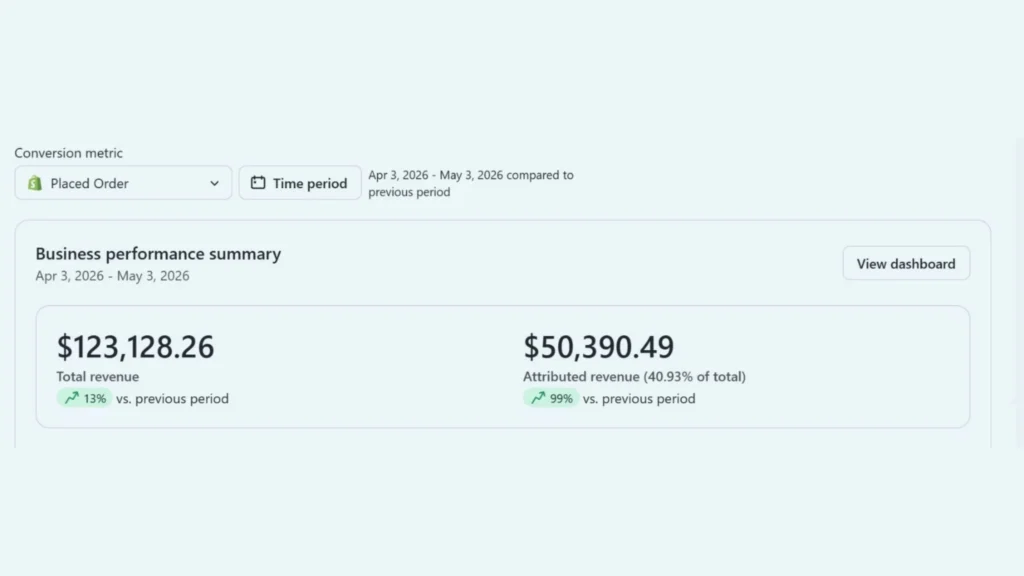
A Practical Example
Here’s a hypothetical illustration of how this plays out for a local business (not an actual client case study, but a realistic scenario):
- A Charlotte-based home services company gets roughly 40 leads a month through their website and Google ads. Before automation, leads were called back within 24–48 hours, and roughly a quarter of them never answered because they’d already booked elsewhere.
- After setting up automated instant text replies, a two-step email nurture for leads who don’t book right away, and automated review requests after job completion, the business could reasonably expect faster response times, fewer missed follow-ups, and a steadier flow of new Google reviews, all without adding headcount.
The specific lift in conversion rate will vary by industry, lead volume, and how well the workflows are built, so treat this as a framework for what’s possible rather than a guaranteed outcome.
Concolusion
Marketing automation Charlotte NC businesses use isn’t about replacing your team; it’s about making sure no lead waits longer than it should, no follow-up gets forgotten, and no past customer gets ignored simply because someone was busy that day. For Charlotte’s competitive local market, that consistency is often the difference between a lead that converts and one that quietly goes to a competitor.
If you’re trying to decide where to start, begin with your current sales process: find where leads are falling through, then automate that specific gap before building anything more complex.